Thokozile Mnguni
The Gauteng Department of Health has reported an increase in hypertension cases among adults under the age of 45, raising concern over the growing number of younger people diagnosed with the condition.
While World Hypertension Day is observed on 17 May, the Department said awareness, screening and prevention initiatives will continue throughout the year as part of ongoing public health programmes.
“Hypertension remains a major public health concern, particularly as we are now seeing more cases among younger adults,” said a Gauteng Department of Health spokesperson, Steve Mabona.
“We are strengthening screening, awareness and early detection efforts to reduce complications and prevent premature deaths,” added Mabona.
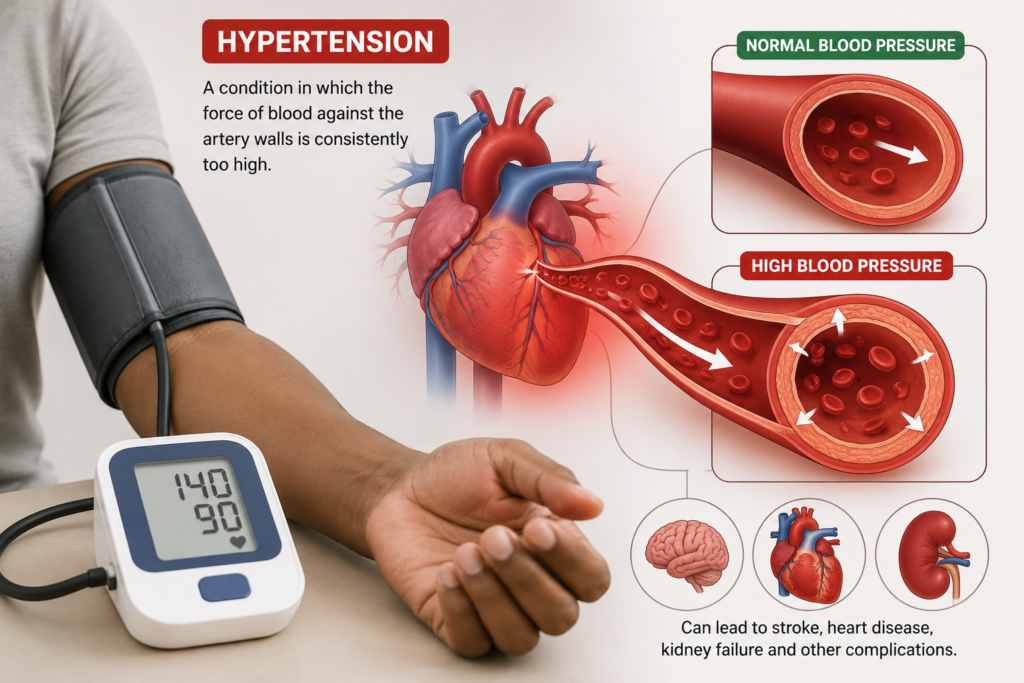
Commonly known as the “silent killer”, hypertension often develops without noticeable symptoms and is a leading contributor to stroke, heart disease, kidney failure and premature death.
During the 2025/26 financial year (April 2025 to March 2026), Gauteng recorded 69 125 new hypertension cases. Of these, 26 088 were diagnosed among adults aged 18 to 44. The Department attributed the increase to lifestyle-related factors including unhealthy diets, obesity, physical inactivity, smoking and excessive alcohol consumption.
Under the 2026 theme, “Controlling Hypertension Together!”, health authorities have called for collective action to improve awareness, prevention, early detection and effective management of the condition.
The Department said routine screening remains critical, noting that hypertension often presents without symptoms. It added that approximately 8.7 million adults were screened across Gauteng during the 2025/26 financial year as part of intensified prevention efforts.
Public healthcare facilities continue to offer free blood pressure screening and integrated chronic disease management services for patients diagnosed with hypertension, diabetes and related conditions.
The Department has also raised concern that many residents remain unaware of their blood pressure status, often resulting in late diagnosis and serious complications such as heart attacks and strokes.
Ward-Based Outreach Teams and Community Health Workers continue to conduct health education and community outreach, encouraging residents to undergo regular screening and adopt healthier lifestyles.
Residents are urged to exercise regularly, reduce salt intake, stop smoking and limit alcohol consumption. Those diagnosed with hypertension are encouraged to take medication as prescribed and adhere to treatment plans to manage the condition effectively.