Yasmin Bilal
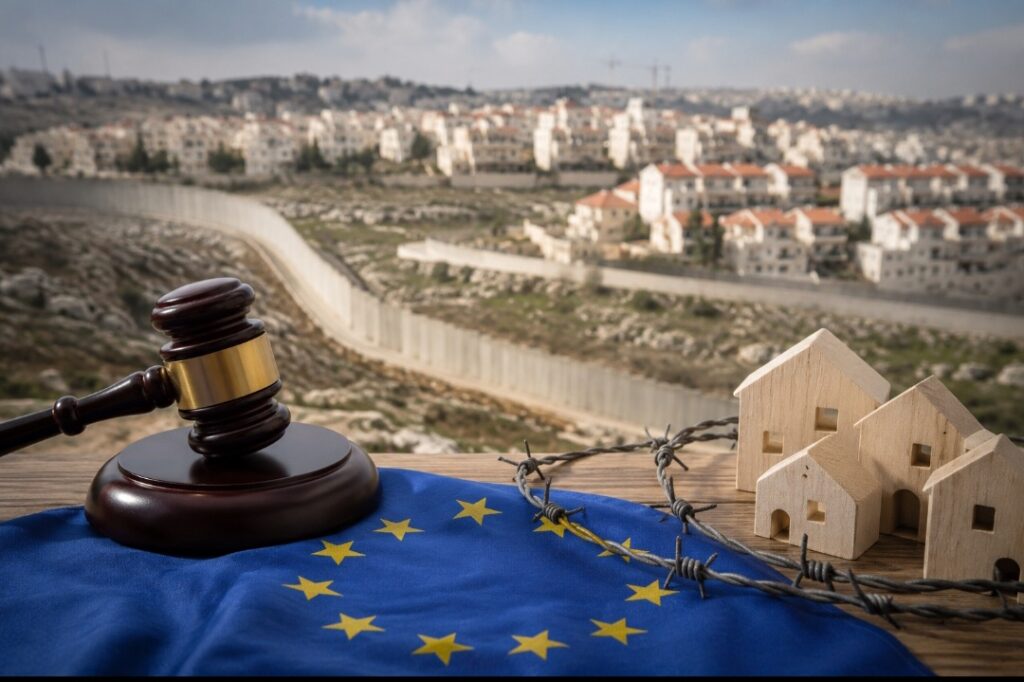
The European Union has imposed sanctions on several Israeli settlers and affiliated groups accused of involvement in violence in the occupied West Bank. The measures include travel restrictions and asset freezes targeting individuals linked to incidents affecting Palestinian civilians and property.
The decision is part of ongoing efforts within the bloc to respond to escalating unrest in the territory. It focuses on designated individuals and entities rather than the Israeli state, in line with the EU’s stated approach to targeted restrictive measures.
Officials within the European Union have raised concerns about the impact of settler-related violence on already fragile conditions in the West Bank. The sanctions are intended to apply pressure on those identified as responsible for violent or destabilising conduct, using financial controls and limits on movement across EU borders.
The Israeli government has previously pushed back against similar actions, arguing that such measures disproportionately single out settlers and do not accurately reflect the wider security challenges in the region. It has been maintained that external sanctions risk complicating efforts to manage tensions on the ground.
The move comes against a backdrop of sustained international attention on the occupied Palestinian territories, where periodic clashes and incidents of violence continue to draw diplomatic concern. Engagement between international partners and regional actors remains ongoing, with calls for restraint and de-escalation.
Under the latest package, assets held within EU jurisdictions will be frozen, and those listed will be barred from entering member states. The measures are part of a broader sanctions framework used by the European Union in response to human rights and security-related concerns.
Further monitoring of developments in the West Bank is expected, with European officials indicating that additional measures could be considered depending on the evolving situation.