Yasmin Bilal
Widespread marches took place across several provinces today, with large gatherings in Gauteng, KwaZulu-Natal, Mpumalanga and the Western Cape. Most demonstrations were peaceful, with isolated incidents of violence and property damage in specific hotspots.
In many areas, foreign-owned shops remained closed as a precaution, while some residents stayed indoors as march routes passed through townships and city centres. Despite tensions in certain locations, there were no major fatalities or widespread casualties during the day’s demonstrations.
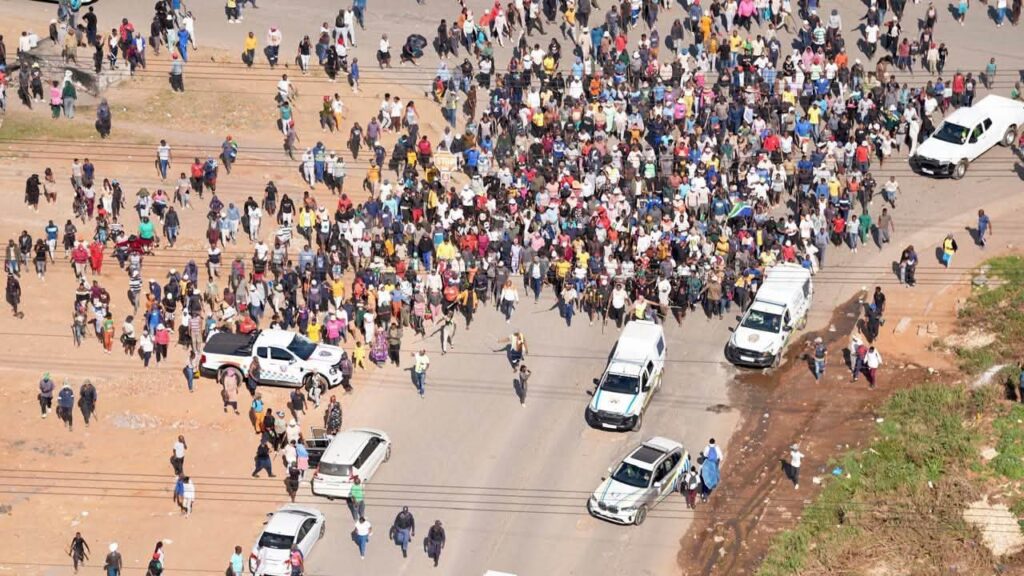
In Gauteng, hundreds of residents marched through Alexandra township, singing struggle songs as they moved towards the Pan Africa Shopping Centre. The march was largely orderly, with participants raising concerns over illegal immigration and safety in their communities.
In Diepsloot, residents also took part in protests, voicing concerns over pressure on local services and safety in the area.
In Pretoria, residents protested in the CBD, around the Union Buildings, Sunnyside and Marabastad, with groups gathering across key parts of the city centre during the demonstrations.
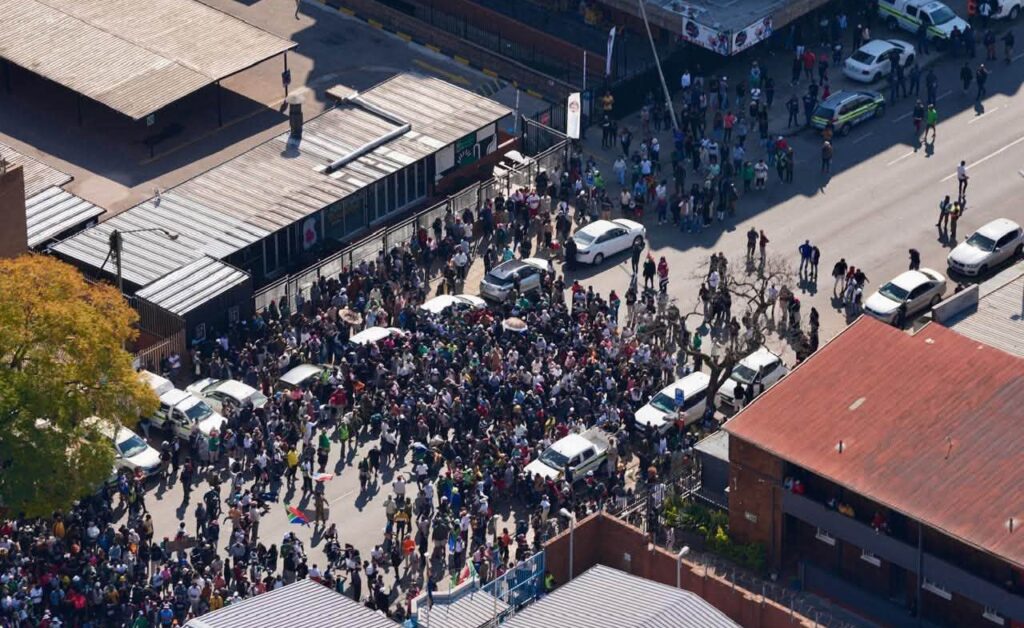
In Tembisa, road closures affected several routes between Chloorkop and the township, where motorists were unable to access key roads due to ongoing protest action. Traffic was heavily affected, with diversions and delays across surrounding areas. Residents described the situation as tense, while police monitored movement in affected areas.
In Yeoville on Natal Street, a group of men allegedly linked to march activity threw stones, breaking windows of vehicles, homes and buildings.
In Hillbrow, violence erupted during protest activity, where two people were shot, and a vehicle was set alight following an altercation that escalated into gunfire and retaliation. A man and a 17-year-old boy sustained gunshot wounds and were taken to hospital. The circumstances remain under investigation. Soweto residents across areas including Jabulani and Diepkloof also protested peacefully.
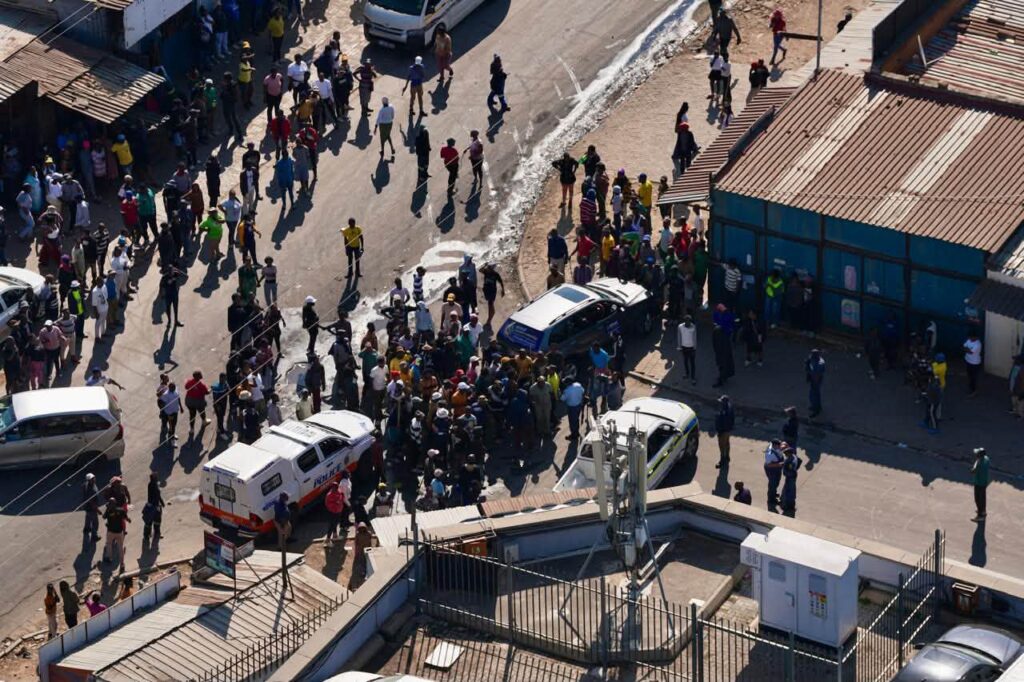
In Johannesburg, Ngizwe Mchunu led the anti-illegal immigration protests across inner-city areas including Joe Slovo, Hillbrow and Yeoville.
In Mpumalanga, demonstrators under the March On March movement handed over a memorandum of grievances to the City of Mbombela, received by Mayor Sibongile Makhushe Mazibuko.
The group raised concerns over enforcement of municipal bylaws and called for stricter inspections of businesses and stronger compliance with food safety and labour regulations.
In KwaZulu-Natal, anti-illegal immigration activist Nkosikhona “Phakel’umthakathi” Ndabandaba participated in the Durban CBD march, joining supporters as the demonstration moved through the inner city.
Amabutho, traditional Zulu warrior regiments, also gathered at King Dinizulu Park in Durban ahead of the march through the city centre to hand over a memorandum at a SAPS police station.
March and March leader Jacinta Ngobese-Zuma addressed supporters in Durban, raising concerns over illegal mining and safety in communities.
She said neighbouring countries are dominating in that field of zama-zamas.
Ngobese-Zuma called for stronger enforcement of laws, saying “we want our laws to be enforced,” and stressed public safety, adding that women should be able to move freely “without any fear of being abducted.”
She also linked recent community concerns to the deaths of children in Soweto after allegedly consuming contaminated snacks, saying the tragedy has not received justice, and criticised what she described as disproportionate focus on migrants while broader safety issues are overlooked.
In Cape Town, an anti-immigration march took place in the CBD outside Western Cape Government offices. Protesters gathered under groups including Labour and Civic Organisation (LOCA), March and March and Operation Dudula.
In surrounding areas such as Khayelitsha, Nyanga and Woodstock, incidents of road blockades took place, with burning tyres and debris used to disrupt movement. There were also incidents of attacks on public transport and intimidation at fuel stations.
Police and metro units were deployed across major cities to manage crowds and respond to disruptions. While many marches remained peaceful, isolated incidents of violence and damage to property were recorded.
The situation across the affected areas was largely contained by the end of the day, with authorities continuing to monitor developments.