News Desk Reporter
National Treasury has defended its decision to withhold a portion of funding from 69 municipalities. The department said the measure is aimed at improving financial discipline and is not expected to disrupt service delivery.
Treasury believes the intervention will encourage councils to settle outstanding debts and strengthen their financial management.
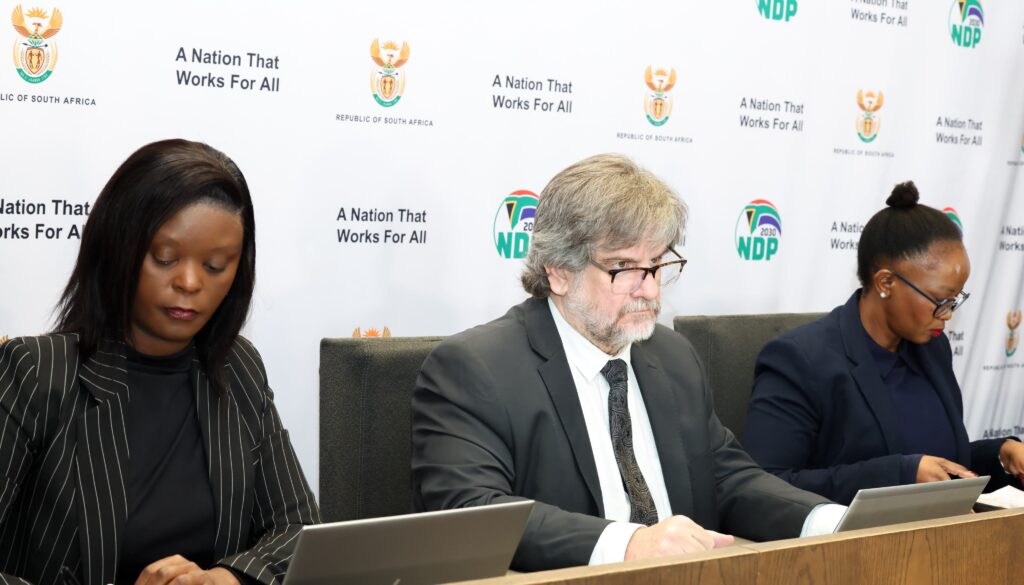
Treasury officials briefed the media in Pretoria today after government announced that part of the July equitable share allocation had been withheld from municipalities that failed to meet financial obligations.
Deputy Director General for Intergovernmental Relations Ogalaletseng Gaarekwe said municipalities would regain access to the withheld funds once they submitted signed payment plans and started settling their outstanding debts.
“We followed a similar process last year. Most municipalities met the requirements and had their funding restored within weeks. It depends on how quickly they submit their payment plans and honour their commitments,” she said.
Gaarekwe said withholding the funds was a corrective measure aimed at improving financial accountability rather than punishing municipalities.
“There are instances where pension fund deductions are taken from employees’ salaries but are never paid over. If something happens to that employee, their family may not be able to claim the benefits. We are trying to make sure that people do not get used to not paying,” she said.
Around R13.5 billion has been withheld from this year’s equitable share allocation of about R100 billion.
Gaarekwe said municipalities were notified before the decision was taken and allowed to explain why their allocations should not be withheld. Of the 99 municipalities initially identified, 30 addressed Treasury’s concerns before the deadline and avoided the measure.
She said Treasury hoped municipalities would improve their financial compliance, reducing the need for similar interventions in future.
Chief Director for Local Government Budget Analysis Jan Hattingh said unpaid municipal debt can have serious consequences for communities, particularly when essential service providers are left without payment.
“As a result of this intervention, two water boards that were on the brink of shutting down have remained operational. If a water board cannot continue providing services, the impact on communities is far greater because people are left without water,” he said.
Hattingh said poor financial planning remained one of the biggest challenges facing municipalities.
“Some councils continue to adopt budgets that are not funded. We are working with municipalities and provincial treasuries to improve planning and budgeting so public money is used properly, and communities benefit from those resources,” he said.
He also warned that municipalities must improve their use of conditional grants.
“When grants are not spent, the money is returned to the national revenue fund. That is not the outcome we want because those funds are intended to improve infrastructure and service delivery in communities,” he said.