Yasmin Bilal
A long-running investigation into the deaths of six healthcare workers in KwaZulu-Natal has found no evidence that workplace bullying, victimisation or hospital conditions directly contributed to their deaths.
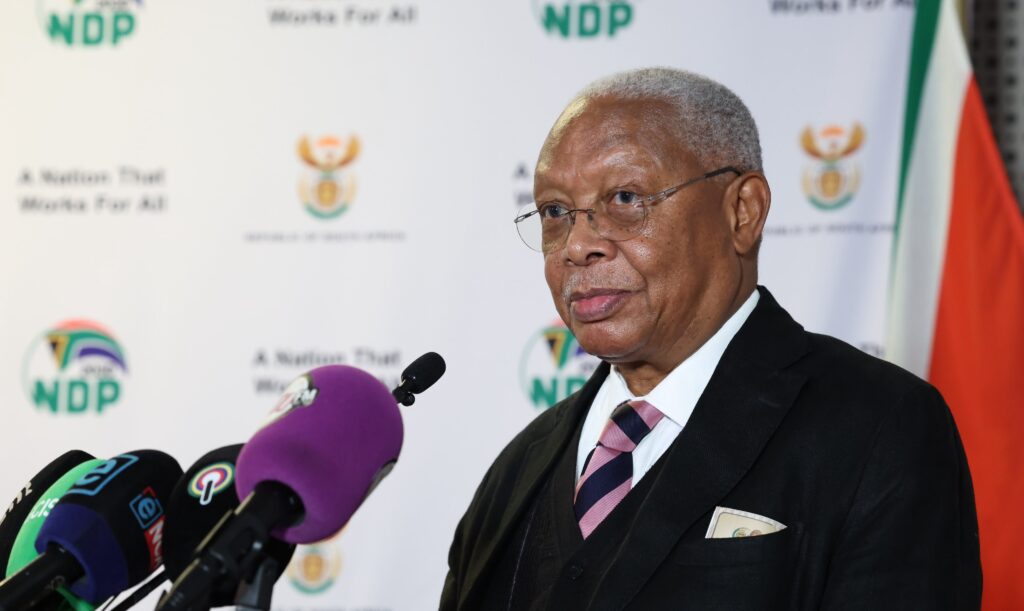
The findings were released today by Health Ombud Professor Taole Mokoena, who also highlighted ongoing challenges affecting staff in the province’s public healthcare system.
The investigation examined the deaths of healthcare workers from Prince Mshiyeni Memorial Hospital, Addington Hospital, Port Shepstone Hospital, Ngwelezane Hospital, Benedictine Hospital and Vryheid Hospital.
Concerns had been raised over whether workplace pressures and conditions within the health system may have played a role in the deaths.
The Ombud found no direct link between the deaths and workplace conditions at the hospitals under investigation.
However, the report highlighted broader issues affecting healthcare workers, including staff shortages, limited resources and gaps in employee support services.
“The Health Ombud found no evidence linking the deaths directly to workplace bullying, victimisation, or adverse working conditions in the hospitals under investigation.
“However, the investigation identified significant systemic challenges affecting healthcare professionals across all the aforementioned health establishments,” Mokoena said.
The report reviewed each case separately and found different circumstances surrounding the deaths.
Dr Alulutho Mazwi, a medical intern at Prince Mshiyeni Memorial Hospital, was not on duty when he died, despite earlier reports suggesting his death occurred while he was working.
The investigation found that Dr Mazwi had a medical condition and that there was no evidence linking his death to his workplace.
Dr Tumelo Kgaladi from Addington Hospital died at his residence. The Ombud found that he had a history of mental health challenges, which had not been disclosed to the relevant authorities.
The investigation found no evidence connecting his death to conditions at the hospital.
Radiographer Mvelo Cele, who worked at Port Shepstone Hospital, died while on duty. According to the report, an autopsy confirmed that he died from cardiac arrest, with no evidence linking his death to workplace conditions.
Dr Siyabonga Zulu from Ngwelezane Hospital died in a motor vehicle accident while off duty. Investigators found no connection between his death and his working environment.
The Ombud also examined the circumstances surrounding the death of Dr S.I. Ngidi from Benedictine Hospital.
The report found that Dr Ngidi died after ingesting rat poison while off duty. It further noted that he had been implicated in a fraudulent birth registration matter.
In the case of Dr Francis Idika from Vryheid Hospital, investigators found that he died from natural causes after suffering a ruptured aortic aneurysm.
The Ombud found no evidence supporting allegations that his death was linked to workplace bullying or victimisation.
Although the investigation did not find that workplace conditions caused the deaths, it raised concerns about the wider challenges facing healthcare workers in KwaZulu-Natal.
The report identified staff shortages, frozen vacant posts, increased workloads, shortages of medical equipment and supplies, infrastructure problems and security concerns as ongoing issues affecting public healthcare facilities.
The Ombud also raised concerns about the availability of employee wellness services and the pressure experienced by healthcare workers.
“The investigation also found that many healthcare professionals, particularly interns, experience significant pressure to avoid taking sick leave due to concerns about extending training rotations and increasing other colleagues’ workloads.
“In some facilities, employee wellness and support services were found to be under-resourced and unable to adequately meet staff needs,” Mokoena said.
The report further noted that ongoing budget constraints within the KwaZulu-Natal Department of Health have contributed to staffing shortages and resource limitations.
According to the Ombud, these challenges have affected healthcare workers’ morale and placed additional pressure on service delivery.
The investigation recommended several measures to improve conditions at the affected facilities.
These include strengthening employee wellness programmes, improving staff support systems, addressing security concerns, enhancing oversight and accountability, and ensuring healthcare facilities comply with prescribed norms and standards.
The findings and recommendations will now be referred to the Office of Health Standards Compliance (OHSC) for monitoring and implementation.
“The report’s findings and recommendations will be referred to the Office of Health Standards Compliance [OHSC] for monitoring and implementation as per Statutes.
“The Health Ombud will continue to work closely with the OHSC to ensure that the recommendations translate into meaningful improvements in healthcare worker well-being, patient safety and the quality of care,” Mokoena said.
Professor Mokoena and his office also extended condolences to the families, colleagues and communities affected by the deaths.
“The investigation underscores the need to create safe, supportive and adequately resourced working environments for healthcare workers and to ensure that public healthcare establishments continue to deliver quality services to all healthcare users,” Mokoena said.
Health Minister Dr Aaron Motsoaledi also paid tribute to the healthcare workers who lost their lives and offered condolences to their families, colleagues and loved ones.
He said the findings of the report could not remove the pain experienced by those affected.
“No report, no matter how thorough it is, can fill the void left by the loss of loved ones. The pain carried by parents, spouses, children, siblings, friends and colleagues cannot be measured in findings, recommendations and statistics,” he said.
“It is always painful regardless of the cause of death and who might be responsible,” Motsoaledi said.
The Minister said the healthcare workers who died should be remembered for their dedication to caring for others.
“Hence, on behalf of the National Department of Health, I once again extend our deepest condolences to every family affected by these tragedies which nobody expected.” he added.
“The healthcare officials whose lives were lost were not only employees…but they were individuals who chose a profession dedicated to caring for others. We honour their memory today, and we will always remember them,” Motsoaledi said.