News Desk Reporter
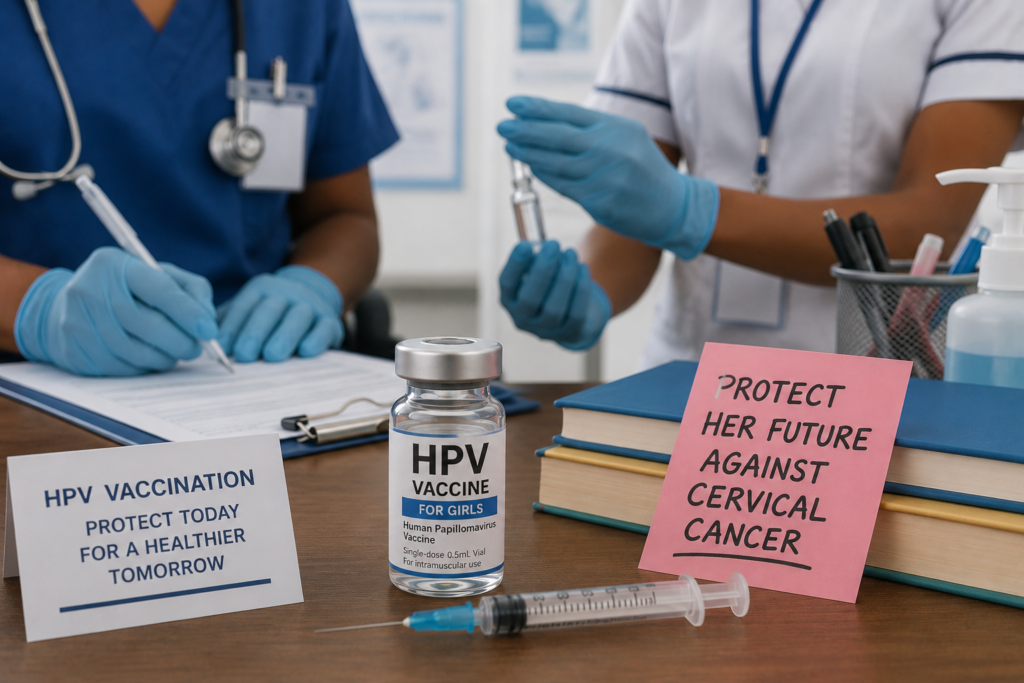
The Gauteng Department of Health will begin rolling out its latest Human Papillomavirus (HPV) vaccination campaign in schools this week, targeting eligible Grade 5 girls across the province.
Department spokesperson Steve Mabona said the rollout will begin on 3 August at participating independent primary schools and continue until 9 October.
Vaccination teams will then visit public primary and special schools to reach learners who may have been missed during the earlier campaign.
Mabona said the campaign forms part of the Integrated School Health Programme. It targets Grade 5 girls aged nine years and older, including learners who missed previous vaccination opportunities.
“A single dose of the vaccine provides effective protection against HPV infection. It also significantly reduces the risk of developing cervical cancer later in life,” Mabona said.
He said cervical cancer remains one of the most common cancers affecting women in South Africa. However, it is largely preventable through HPV vaccination and regular cervical cancer screening.
Mabona said HPV affects both males and females. Although more than 200 strains have been identified, types 16 and 18 are responsible for more than 70% of cervical cancer cases.
“The Cervarix vaccine used in the public health programme is safe and highly effective in protecting against these high-risk strains,” he said.
Mabona said the previous vaccination campaign achieved strong coverage across public and independent schools during the 2025/26 implementation period.
Of the 1 500 targeted public schools, 1 498 were reached, and 72 249 Grade 5 girls were vaccinated. In the independent school sector, 530 of the 664 targeted schools participated, with 9 740 learners receiving the vaccine.
He said public schools recorded an 80% learner coverage rate, compared with 37.7% in independent schools.
Several challenges affected vaccine uptake, particularly in independent schools, Mabona said.
“These included schools declining access to vaccination teams, learner absenteeism on vaccination days and the non-return of 24 327 parental consent forms. Misinformation and vaccine hesitancy also contributed to lower vaccination rates in some schools,” he said.
To improve participation, Mabona said the department has strengthened its partnership with the Gauteng Department of Education. Community education campaigns have been intensified, while collaboration with schools has been strengthened.
He said findings published in The Lancet Global Health showed South Africa’s school-based HPV vaccination programme reduced infections caused by HPV types 16 and 18 by 83% among young women, including those living with HIV.
“The findings demonstrate the substantial public health benefits of achieving high HPV vaccination coverage,” Mabona said.
He said no learner will be vaccinated without a signed consent form. However, learners aged 12 years and older may provide their own consent in accordance with national health guidelines.
“The department nevertheless encourages parents and caregivers to remain actively involved in this important health intervention,” he said.
Mabona urged parents and guardians to read the information provided by schools, complete the consent forms and return them promptly to ensure eligible learners do not miss the opportunity to receive protection against cervical cancer.