Thokozile Mnguni
Inflation rose to 4.0 per cent in April, up from 3.1 per cent in March, reaching its highest level since August 2024. The monthly increase in the consumer price index (CPI) was 1.1 per cent, reflecting renewed pressure on household prices, mainly driven by transport costs.
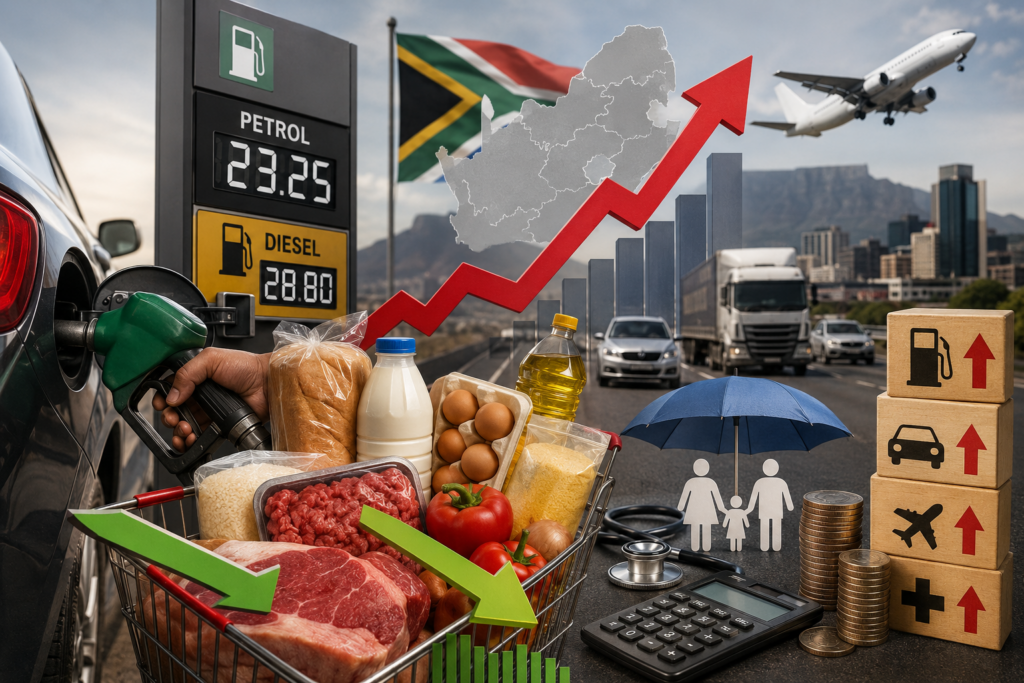
The latest increase was largely driven by fuel prices, which recorded a monthly rise of 18.2 per cent, the steepest since the current CPI series began in 2008. Petrol prices rose by 15.2 per cent, while diesel increased by 35.4 per cent, adding significant pressure to transport and logistics costs across the economy.
Inland 93 octane petrol increased from R20.19 per litre in March to R23.25 in April, marking one of the largest monthly increases in recent years. Diesel prices rose from R21.28 to R28.80 per litre over the same period.
Despite higher fuel costs, food inflation continued to ease. Annual inflation for food and non alcoholic beverages slowed for a third consecutive month, easing to 2.9 per cent in April from 3.6 per cent in March.
Several categories recorded lower annual inflation rates, including meat, where inflation fell from 11.6 per cent to 9.4 per cent. Beef mince and stewing beef recorded notable declines, while pork inflation also moderated. Cereal products remained in deflation for a third consecutive month, with items such as maize meal, rice and bread flour cheaper than a year earlier.
Milk, dairy products and eggs recorded a slight return to inflation, rising by 0.1 per cent after a negative reading in March. Powdered milk and eggs, however, remained in deflation.
Insurance costs increased by 1.3 per cent month on month, driven mainly by higher health insurance premiums. Medical aid contributions rose by 1.8 per cent, taking the annual increase to 8.3 per cent, as providers implemented revised pricing earlier in the year.
Passenger transport services also increased, reflecting higher airfares, which rose by 24.5 per cent following a sharp increase in March.
Overall, the latest figures indicate renewed inflationary pressure driven by fuel, while food prices continue to provide some relief to consumers.