Thokozile Mnguni
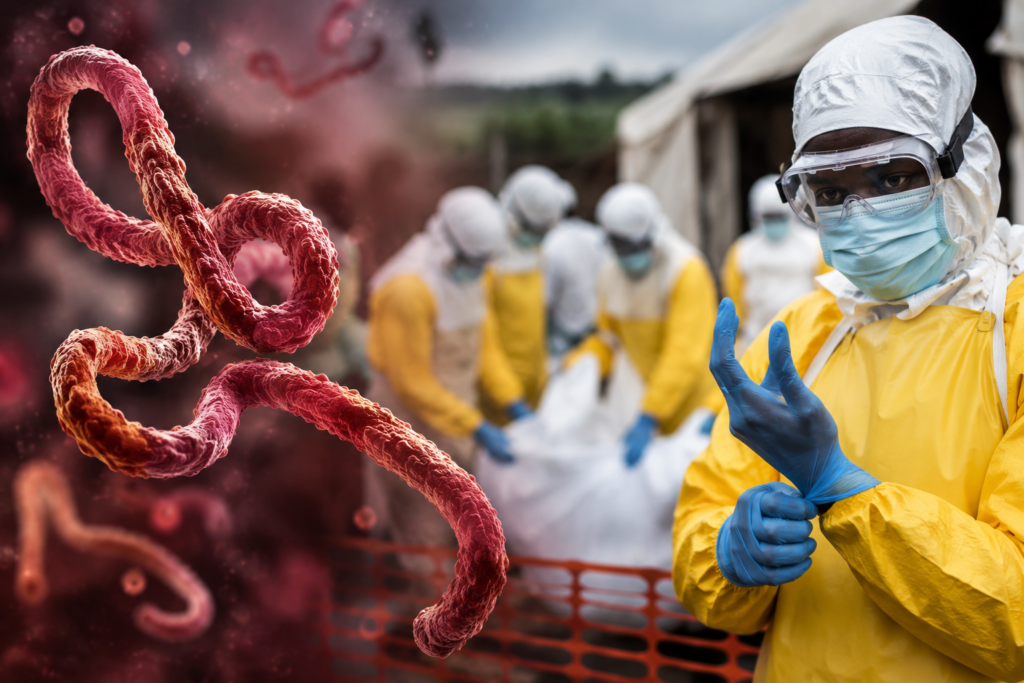
African leaders have moved to strengthen coordination and emergency health systems in response to the Bundibugyo Ebola outbreak.
President Cyril Ramaphosa has called for urgent action to prevent further spread of the disease.
He warned that delays in response could worsen the outbreak and place more lives at risk across the continent.
Addressing a high-level meeting of African heads of state, governments and partners today, Ramaphosa thanked the African Union for convening the engagement at a critical moment.
“I thank the Chairperson of the African Union for convening this important meeting at a critical moment for our continent,” he said.
He also acknowledged international participation and solidarity from global leaders.
“We also welcome and convey our sincere appreciation to the leaders from across the world who have joined us in solidarity,” he said.
Ramaphosa said the continent was now at a decisive stage following earlier pledges made to support the response.
“It has been a month since we last met, where we demonstrated political will and mobilised just under 500 million US dollars in pledges from various countries, global health institutions, banks and philanthropic organisations,” he said.
He added that the meeting provided an opportunity to assess progress and renew commitments.
“This is a critical opportunity to take stock and renew our commitments,” he said.
The President paid tribute to health workers and expressed condolences to families affected by the outbreak.
“We mourn the lives that have been lost to this disease, and convey our condolences to the families and communities that have been affected by the spread of Ebola,” he said.
He confirmed that South Africa would increase its financial contribution to the response effort.
“In this regard, I am pleased to announce that South Africa is increasing its pledge to 13.5 million US dollars as our commitment to solidarity and sovereignty for the people of this continent,” he said.
Ramaphosa warned that the absence of a vaccine or antiviral treatment made rapid containment essential.
“With no vaccine or antiviral, every day that transmission continues unchecked, the human cost rises,” he said.
He referenced past outbreaks, cautioning against delays in response.
“The West Africa Ebola epidemic demonstrated that delayed action can transform a localised outbreak into a regional and global crisis,” he said.
The President called for improved humanitarian access in affected areas, including safe corridors for aid delivery.
“We must seek a ceasefire to allow the Ebola response to proceed unhindered,” he said.
He also emphasised stronger cross-border collaboration, expanded testing and community awareness campaigns.
Ramaphosa warned that Africa remains vulnerable due to limited biotechnology capacity for the Bundibugyo strain.
“Africa cannot depend indefinitely on external markets and production systems during health emergencies,” he said.
He urged investment in local manufacturing and stronger continental health institutions, including the African Medicines Agency.
He also supported efforts by Gavi and CEPI, and welcomed financing measures by the World Bank.
Ramaphosa said responses must remain grounded in science and coordination.
“As countries, as a continent and as a global community, our actions must be evidence-based, scientifically sound and mutually accountable,” he said.
He concluded that global health security depends on eliminating outbreaks at their source.
“The world will not be safe from Ebola until we have eliminated it everywhere,” he said.
The Presidency said the address forms part of ongoing efforts to strengthen continental preparedness and response systems.