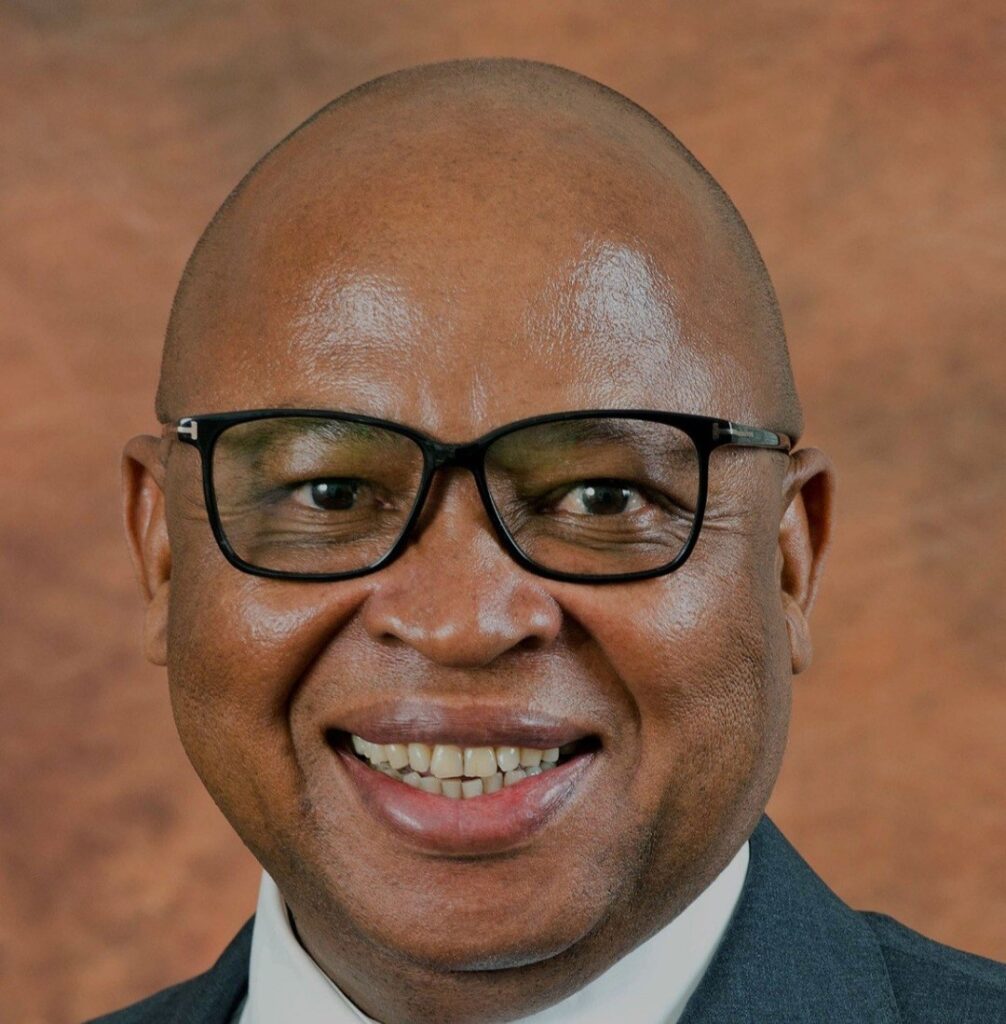
Thokozile Mnguni
Deputy Minister of Police Cassel Mathale today tabled the Budget Votes for the Independent Police Investigative Directorate (IPID) and the Civilian Secretariat for Police Service (CSPS), setting out a strengthened focus on accountability, anti-corruption measures and restoring public trust in policing amid heightened national scrutiny of law enforcement institutions.
The Budget Vote debate comes as policing reforms face increased attention following findings emerging from the Madlanga Commission, parliamentary inquiries, and other oversight processes. Acting Minister of Police Firoz Cachalia attended the proceedings alongside senior officials, where the emphasis was placed on improving integrity, professionalism and coordination within the justice cluster and the broader South African Police Service.
Mathale said both institutions remain central to safeguarding democratic policing and ensuring independent oversight of misconduct and criminality within the South African Police Service. He warned that recent developments have reinforced the urgency of tackling corruption and strengthening accountability mechanisms across the sector.
The IPID, operating independently, continues to prioritise investigations into police misconduct. Approximately 69% of its budget is allocated to personnel costs, reflecting its labour-intensive mandate. Over the medium term, the directorate aims to reduce its investigation backlog by 13,500 cases, supported by the recruitment of 25 experienced contract investigators to bolster capacity.
A key operational target includes finalising 45 corruption-related cases within 90 days of registration, as part of efforts to ensure swift consequences for wrongdoing. IPID is also strengthening quality assurance systems, with plans to review at least 30% of dockets annually, while expanding its forensic capability through the recruitment of data analysts, cyber specialists and crime intelligence experts within Independent Police Investigative Directorate.
The directorate further reaffirmed its commitment to tackling gender-based violence and femicide cases. During the previous financial year, it finalised 132 rape investigations, resulting in multiple criminal and departmental convictions, while additional cases remain before the courts.
In parallel, the CSPS continues to lead policy development and oversight functions under the Civilian Secretariat for Police Service, with a focus on evidence-based policing strategies and the Integrated Crime and Violence Prevention Strategy. Mathale said government coordination remains essential, particularly in addressing the underlying drivers of crime, such as weak social cohesion, poor service delivery, and breakdowns in community structures.
A national working committee continues to monitor implementation across departments, while a 2026/27 perception survey will assess public feelings of safety and inform future interventions. Government is also advancing the National Policing Policy and plans to establish a National Policing Advisory Committee to strengthen recruitment standards, leadership and accountability frameworks.
Mathale noted that CSPS faces significant funding constraints, with a substantial shortfall between its required resources and current allocation. Despite this, efforts are underway to explore alternative funding mechanisms, including asset recovery frameworks, to support long-term policing reforms and improve service delivery across communities served by SAPS.