News Desk Reporter
The Public Service Commission has been given a wider oversight role after President Cyril Ramaphosa signed the new Public Service Commission Act into law.
The law extends the commission’s mandate to local government and public entities.
It also strengthens its ability to monitor public administration and investigate administrative practices and failures in service delivery.
The commission is an independent institution established under section 196 of the Constitution. Its role includes promoting effective and efficient public administration and high standards of professional ethics.
Under the new Act, the commission can require an executive authority or another person affected by one of its decisions to report on progress in implementing that decision.
Obstructing the commission while it exercises its powers or performs its functions is now an offence. A conviction could result in up to 12 months’ imprisonment, a fine of up to R50 000, or both.
The Act also regulates the appointment of commissioners by the President and provides for a secretariat to support the commission.
It replaces the Public Service Commission Act of 1997.
Ramaphosa said the new law should help strengthen ethical conduct in the public service.
“The new Public Service Commission Act should be welcomed by public servants and citizens alike as a means to improve the lives of all South Africans and to enable growth through ethical and efficient conduct in our public service,” he said.
He also called on public servants to uphold the Batho Pele principles.
“While the Public Service Commission is a critical enabler of improved public services, it is incumbent upon all public servants to honour citizens in line with the Batho Pele (People First) principles and to view their responsibilities as tools of transformation,” said Ramaphosa.
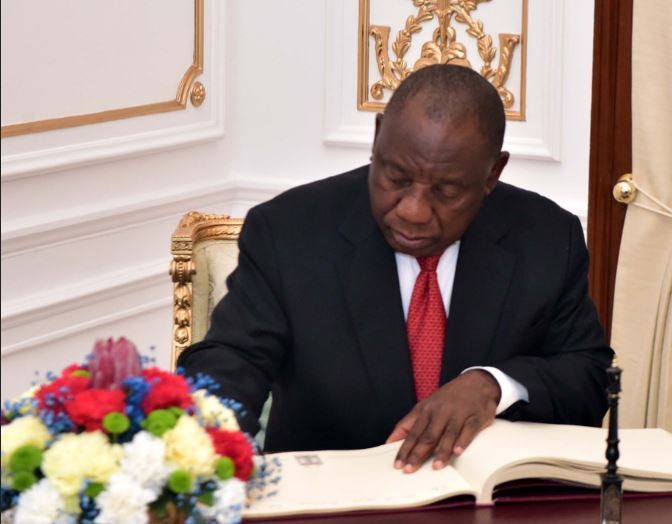
The President signed the legislation during Public Service Month, saying the occasion should reinforce pride and ethical standards in the public service.