News Desk Reporter
The Association of Private Security Owners of South Africa (TAPSOSA) has urged clients to pay security companies fairly and on time. It says this will help employers pay better salaries and improve the wellbeing of security officers.
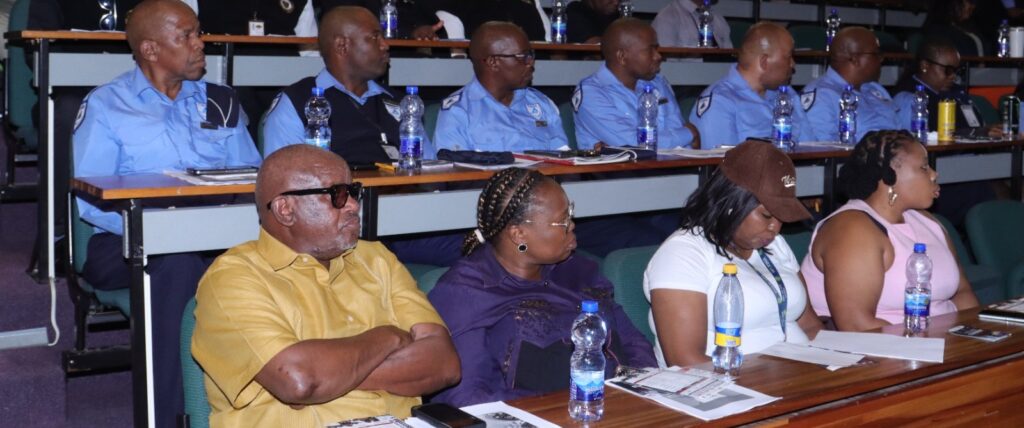
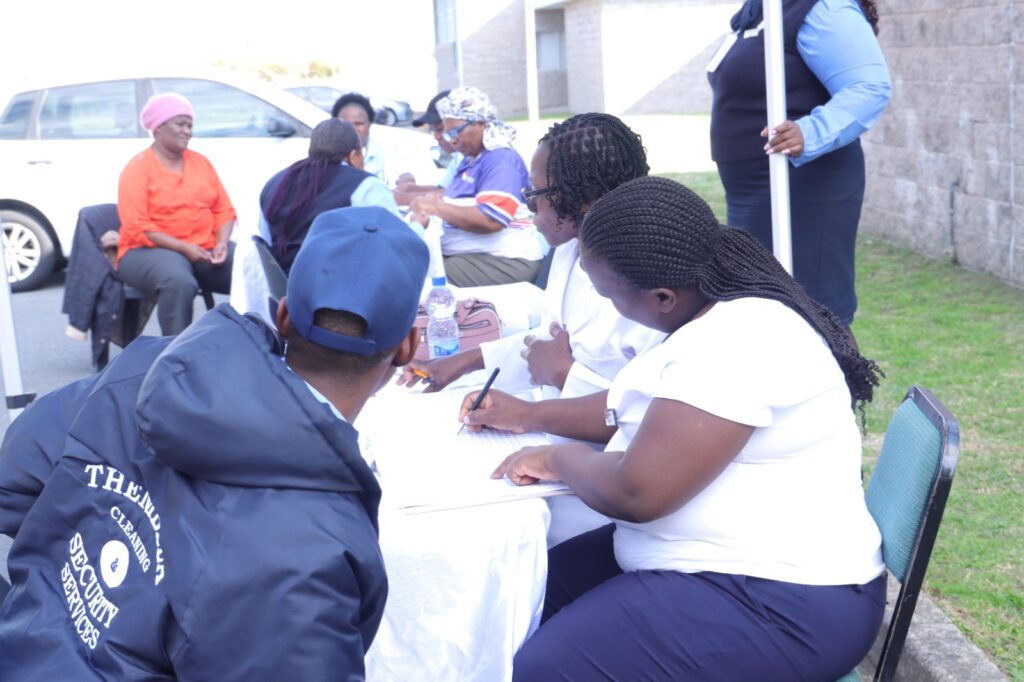
The call was made during the launch of TAPSOSA’s HIV, AIDS and TB Workplace Wellness Campaign in East London on Friday. Around 200 security officers attended the event. They received health screenings, counselling and awareness services.
The campaign is supported by the Safety and Security Sector Education and Training Authority (SASSETA) and the Eastern Cape Department of Health. It forms part of a national initiative to improve access to healthcare for security officers. Many work long shifts that make it difficult to visit clinics.
Speaking at the launch, TAPSOSA President Jones Maphalaphathwa said the industry’s biggest challenge goes beyond access to healthcare.
“We are saying pay the security companies on time and pay them enough so that they can be able to pay salaries, so that officers can look after their families, take care of themselves and look after their health and wellbeing,” he said.
Maphalaphathwa said TAPSOSA was established in 2016 by former security officers and employers who wanted to improve conditions in the industry. He said his experience as a security officer before becoming a business owner gave him firsthand knowledge of the challenges guards face.
“We have been fighting a battle that no one else wanted to fight. The industry has been exploited for a very long time,” he said.
He said many security company owners come from the same communities as their employees. As a result, they have a responsibility to improve working conditions.
“I have no right to exploit people who are my brothers and sisters. We know where they come from because we come from the same background.”
Maphalaphathwa said TAPSOSA continues to campaign for improved wages. He believes the industry cannot be fully professionalised while many security officers remain poorly paid.
“Until we pay security officers enough so they can look after themselves and their families, the security industry will never be professionalised,” he said.
He also responded to ongoing calls for the government to insource private security services. Maphalaphathwa said the private security industry employs about 640,000 active security officers. He said the sector remains an important contributor to the country’s economy.
He argued that government would not be able to absorb all those workers into the public sector. Instead, he called for greater support for private security companies.
“Our responsibility is to preserve these jobs and improve the lives of those working in the industry,” he said.
TAPSOSA spokesperson Sindiswa Changuion said the wellness campaign was introduced after recognising that security officers are often overlooked in healthcare.
She said many officers work 12-hour shifts and move between different sites. This leaves them with little opportunity to visit health facilities during normal operating hours.
Rather than expecting officers to seek healthcare on their own, the campaign brings services directly to their workplaces.
The programme offers voluntary HIV testing, TB screening, blood pressure monitoring, general health assessments and counselling.
It also includes the rollout of a national network of more than 1,000 peer ambassadors. They will educate colleagues about HIV, TB and other health issues. They will also encourage testing and treatment.
“The response has been overwhelming,” Changuion said.
“Many officers have told us this is the first time they have had access to these services at their workplace.”
Eastern Cape Department of Health representative Monwabisi Cobongela welcomed the initiative. He said security officers play an important role in protecting healthcare facilities and other public institutions.
Cobongela said private security companies operate in one of South Africa’s most highly regulated industries. He added that they often face significant compliance costs that are not widely recognised.
Maphalaphathwa welcomed Cobongela’s remarks. He said it was rare to hear a government official acknowledge and understand the challenges facing private security companies.
TAPSOSA national coordinator Jackson Simon said the East London launch exceeded expectations. He said employers from across the province supported the campaign by allowing their employees to attend.
“The event went better than we had planned. We appreciate the employers who bought into the programme and encouraged their employees to participate,” Simon said.
Healthcare professionals from the Eastern Cape Department of Health conducted screenings and counselling during the event. Clinical services representative Busi Jele presented information on chronic diseases.
South African Sign Language facilitator Lulu Holweni also addressed attendees and answered questions on HIV, AIDS and TB.
Following successful launches in Johannesburg and East London, TAPSOSA said the campaign will continue its national rollout.
The next events are planned for Limpopo and the North West.