Noko Mashilo
Communities across Sekhukhune are being encouraged to play a greater role in shaping the district’s environmental and economic future.
A new initiative aims to promote a fair and inclusive transition to a greener economy.
The Advancing the Just Transition for Social and Ecological Justice (JTSEJ) Project will bring together residents, traditional leaders, government departments, mining companies, trade unions and civil society organisations.
It will explore how economic development and environmental protection can work together without leaving vulnerable communities behind.
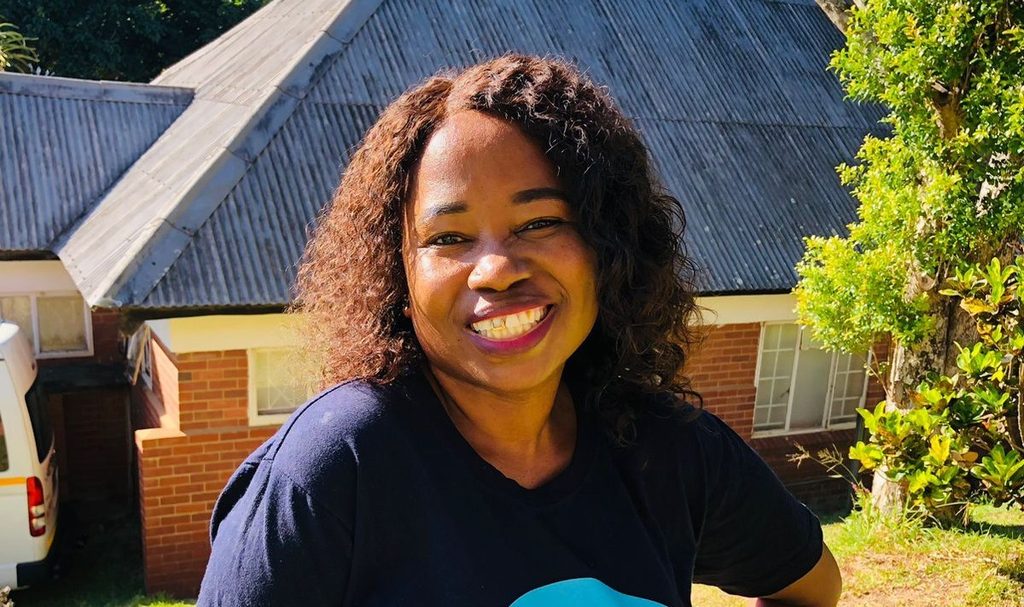
Leading the community mobilisation is Mmathapelo Sebotse Thobejane, founder and chairperson of the Sekhukhune Environmental Justice Network (SEJN).
Thobejane said the project aimed to ensure local people were not simply consulted, but actively involved in decisions affecting their land, livelihoods and future.
“The future of our communities should be shaped with us, not for us. Every resident has valuable knowledge and lived experience that can help identify solutions to the environmental, social and economic challenges facing Sekhukhune,” said Thobejane.
She said Sekhukhune’s strategic importance to South Africa’s Just Energy Transition was among the reasons the district had been prioritised.
The area is rich in platinum group metals, chrome, nickel and copper.
These minerals are increasingly important to technologies linked to the transition to a low-carbon economy, including electric vehicles, hydrogen technologies, batteries and renewable energy infrastructure.
“While these resources create economic opportunities, they also bring environmental and social challenges. Our project is about ensuring communities benefit from development while protecting the environment and improving people’s quality of life,” she said.
Over the next three months, the project will facilitate community dialogues, body-mapping exercises, research activities and stakeholder engagements.
The activities will document residents’ experiences, concerns and recommendations.
Women, young people and persons with disabilities will receive particular attention through dedicated focus group discussions.
These sessions are designed to create safe spaces for participants to discuss how mining, climate change and environmental degradation affect their daily lives.
Thobejane said body-mapping would be an important tool because it would allow participants to communicate their experiences visually.
The approach will help communities document the physical, emotional and social effects of pollution, mining and changing livelihoods. It will also enable people with limited literacy to participate meaningfully.
The project will also bring together municipalities, provincial government departments, traditional authorities, mining companies, trade unions and community organisations.
The aim is to strengthen collaboration and ensure community concerns inform future development planning.
“Our goal is to develop community-led recommendations that promote sustainable livelihoods, environmental protection and social equity while creating opportunities for decent work in a low-carbon economy,” said Thobejane.
The women and youth focus group discussions are scheduled for 24 and 25 August 2026 at Morapaneng Nursery.
A broader stakeholder engagement involving communities, government, mining companies, trade unions and traditional leaders will take place on 15 September 2026 at Ga-Kgoete Village.
The project is expected to increase public awareness of climate change and the Just Transition, encourage greater community participation in decision-making and strengthen partnerships among stakeholders.
It will also support skills development linked to sustainable livelihoods and green jobs, as well as practical community-driven action plans for Sekhukhune.
Thobejane acknowledged that resistance among some stakeholders could pose a challenge, particularly in communities and among workers whose livelihoods depend heavily on mining-related industries.
“Continuous engagement, transparent communication and skills development will be essential to build trust.
“We also need to ensure that people understand the opportunities that come with a just transition while preparing them for future employment,” she said.
She urged residents across Sekhukhune to participate actively in the initiative.
“A just transition can only succeed if it is inclusive, participatory and responsive to the needs of the people it is intended to serve.
“By working together, we can build communities that protect the environment, create sustainable livelihoods and promote social justice.
“We can also ensure future generations inherit a healthier, more resilient and prosperous Sekhukhune,” said Thobejane.
The project is supported by the European Union, Friedrich Ebert Stiftung (FES) and the Sam Tambani Research Institute (SATRI).
It is being implemented through collaboration between SEJN and the Waterberg Women Advocacy Organisation (WWAO), led by social justice activist Francina Nkosi in Lephalale.