News Desk Reporter
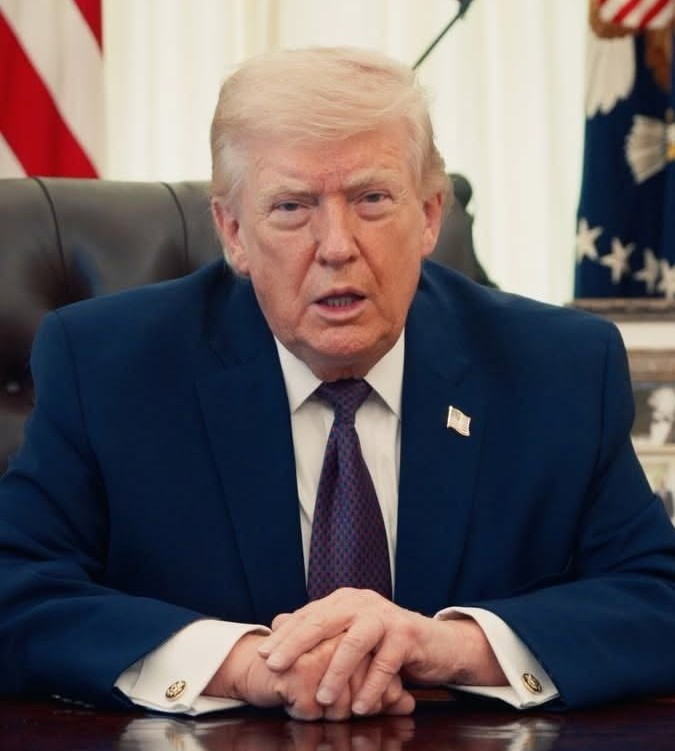
South Africa and Rwanda could lose their preferential access to the US market after President Donald Trump moved to end their participation in a major trade programme for African countries.
The proposed termination is expected to take effect on 1 January 2027. It would remove both countries from the African Growth and Opportunity Act (AGOA).
The United States Trade Representative (USTR), Ambassador Jamieson Greer, announced on Monday that Trump had notified Congress and the governments of South Africa and Rwanda of his intention to terminate their participation.
The move follows an annual review of countries taking part in the programme. The USTR said the review found that both governments were engaging in practices inconsistent with AGOA’s eligibility requirements.
In South Africa’s case, Washington raised concerns about barriers to American trade and investment. It also cited corruption and issues it considers threats to US national security and foreign policy interests.
The concerns raised about Rwanda included barriers to trade and investment, the rule of law and political pluralism. The US also cited internationally recognised worker rights, human rights and national security interests.
AGOA gives qualifying sub-Saharan African countries preferential access to the US market for certain products. Losing eligibility would affect the benefits available under the programme. It would not, however, amount to a ban on all trade with the US.
South Africa’s government has since accused Washington of introducing new issues into trade negotiations that began in 2025.
In a statement issued on Monday, the Department of Trade, Industry and Competition (dtic) said Pretoria had made additional concessions to address US concerns.
The department said the proposals went beyond concessions offered during a previous trade dispute in 2015. It maintained that these respected South Africa’s constitutional obligations, biosecurity requirements and commitments under World Trade Organisation rules.
The government described it as unfortunate that Washington was raising issues that had not previously formed part of the negotiations.
Trade, Industry and Competition Minister Parks Tau said the decision did not define the broader relationship between the two countries.
He said resolving the matter would depend on both sides being willing to find a solution.
Tau acknowledged the possible impact on businesses and communities linked to exports under AGOA. He said the government would continue supporting affected sectors and had retained measures introduced in response to US reciprocal tariffs.
The department said it was assessing the potential impact on industries and would provide support to affected businesses on a company-by-company basis.
It also pointed out that about 89% of South African exports to the US entered under ordinary World Trade Organisation most-favoured-nation terms in 2025.
Exports benefiting from AGOA preferences accounted for about 10% of South African exports to the US last year, down from 28% in 2024, according to the department.
Before the US announcement, Tau had expressed confidence that Washington would respond favourably to proposals submitted by Pretoria.
He said two rounds of senior officials’ discussions had taken place before his meeting with Greer in Washington in September.
Tau said the proposals were guided by South Africa’s constitutional principles and international trade obligations. They also sought to protect local producers and consumers.
He had also highlighted the value of the economic relationship between the two countries, with bilateral trade reaching US$28.8 billion in 2025.
More than 600 American companies operate in South Africa, supporting about 134,600 jobs. US firms had also made investment commitments exceeding US$5 billion over the previous year, Tau said.
The government has pledged to continue engaging Washington while expanding trade opportunities in other markets, including across Africa, India, the European Union, the United Kingdom and China.