Thokozile Mnguni
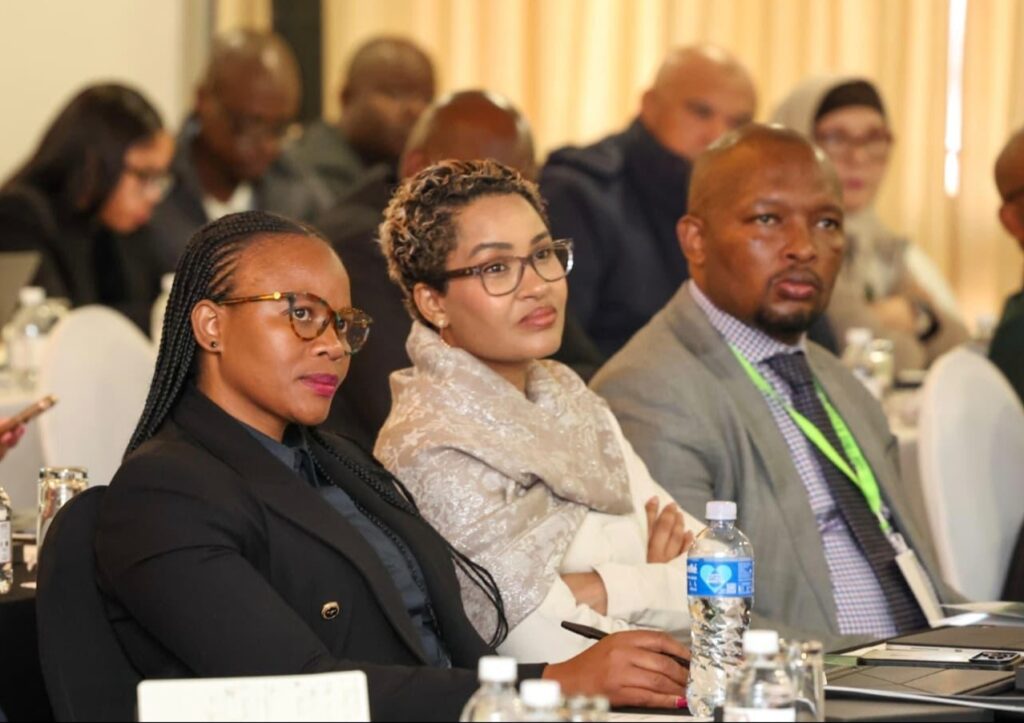
Tshwane hosted a Human Settlements Symposium on Tuesday in Centurion to address housing backlogs, infrastructure constraints, regulatory delays, the need for spatial transformation, and the persistent challenge of informal settlement growth.
Convened under the theme, “Forging Partnerships for Sustainable Human Settlements Development”, the symposium aimed to unlock land and project opportunities and to accelerate the delivery of sustainable human settlements for residents.
In his speech, MMC for Human Settlements Aaron Maluleka said they want to move from intention to implementation, from fragmented efforts to coordinated action, and from planning in isolation to building through partnership.
“We have public land, we have private sector interest, and we have the collective capacity to build inclusive communities that are better located, economically viable, climate responsive, and socially integrated. We want developers and financiers to leave with a clear roadmap of the City’s short, medium, and long-term human settlements pipeline,” Maluleka said.
Giving a message of support, Human Settlements Minister Thembi Simelane said the gap market is real, and demand is strong. “Government support can unlock home ownership when it is properly aligned with financing institutions, developers, and beneficiaries. In our recent meeting with the parliamentary portfolio committee on human settlements, we acknowledged that the current budget for the First Home Finance programme is insufficient to meet housing needs. We agreed that we should approach the National Treasury to request an increase in the budget allocation for the programme to cater for more households,” Simelane added.
She said the city possesses strategic land parcels, strong development potential, growing market interest and significant opportunities for affordable ownership, rental housing, and mixed use development.
“Our challenge is not whether opportunities exist. The challenge is how we package them, finance them, approve them, and implement them faster,” she said, adding that land release must be linked to infrastructure planning from the outset.
“We must move towards a model where housing delivery, infrastructure investment and land development are planned and implemented as a single integrated value chain,” she emphasised.
Tshwane Mayor Dr Nasiphi Moya said the city carries the administrative heartbeat of the nation and that it is where government, innovation, industry, education and enterprise converge.
“It is a city whose future is deeply connected to the future of South Africa itself. Recently, representatives of the City of Tshwane attended the World Urban Forum in Baku, where cities from across the world gathered to discuss the future of urban development. The experience was both inspiring and instructive,” Moya said.
“This symposium brings together many of the institutions and individuals whose decisions will shape the future of human settlements in Tshwane, and we remain committed to creating an enabling environment for investment and development through initiatives such as the Informal Settlement Upgrading Policy, the Urban Development Framework and Housing Company Tshwane,” she added.
The city is committed to advancing a transformative human settlements agenda that is collaborative, sustainable, and firmly focused on implementation.