News Desk Reporter
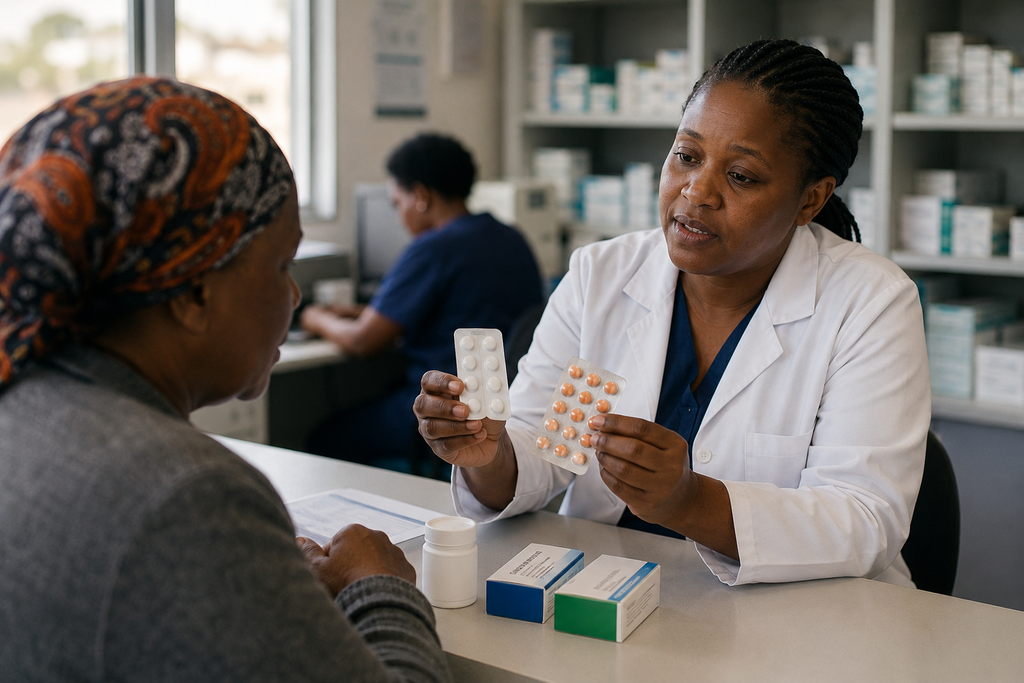
Getting a medicine that looks different from the one you usually receive can be unsettling, especially for patients who rely on regular treatment.
The Department of Health says a change in the colour, shape, packaging or manufacturer does not necessarily mean the medicine itself has changed.
The department has received concerns about medicines appearing to be out of stock at public healthcare facilities in several provinces.
Some patients have also reported receiving medicines that look different from those previously issued to them.
According to the department, this can happen when public healthcare facilities obtain the same medicine from different approved suppliers.
Facilities procure medicines from suppliers that meet strict regulatory and quality requirements. Where more than one approved supplier provides the same medicine, patients may receive products from different manufacturers over time.
Although the medicines may look different, the department said they contain the same active ingredients and are of the same strength and quality.
They also provide the same therapeutic benefits and are approved as safe, effective and interchangeable.
Healthcare professionals can therefore dispense an equivalent medicine to ensure patients continue receiving their treatment without interruption.
Patients who are concerned about changes to the appearance of their medicine are encouraged to speak to their doctor, pharmacist or nurse. They can explain why the medicine looks different and confirm that it remains appropriate for the patient’s treatment.
The department also stressed that reports of medicine shortages do not necessarily mean patients cannot receive treatment.
In some cases, a particular brand, pack size or supplier’s product may be temporarily unavailable, while an equivalent medicine remains accessible.
Healthcare professionals can provide clinically appropriate alternatives in these circumstances, allowing patients to continue their treatment.
South Africa’s medicine supply chain can, like those in many other countries, be affected by factors outside the health system’s control.
These include manufacturing disruptions, global shortages of raw materials, increased international demand, transport delays and changes between procurement contracts.
The department said it continues to work to minimise the impact of these challenges on patients.
Medicine availability is monitored through the National Surveillance Centre and other established reporting systems.
This includes the web-based Stock Visibility System, known as SVS. The system provides early warning of potential supply challenges across different levels of healthcare delivery.
It also enables the National Department of Health to work with provinces, healthcare facilities, suppliers and regulatory authorities to address risks and maintain access to essential medicines.
The department said it remains committed to ensuring that patients receive safe, effective and quality-assured medicines through the public health system.